
A chatbot based question and answer system for the auxiliary diagnosis of chronic diseases based on large language model


I Spent 3 Hours Testing An $1,800 Robot Vacuum With A Mechanical Grabbing Arm
The Roborock Saros Z70, with its robotic arm, appears to be everything I'd want in a robot vacuum. It was our Best of CES pick, chosen unanimously by CNET's team of home editors. The robot does more than simply navigate around obstacles; it can reach out and physically move items, including socks, shoes and eventually other objects, to a designated location or basket.
However, at $1,899, you'll also pay a pretty penny. The Saros Z70 is the most expensive robot vacuum on the market at launch. But if, like me, you have cats that leave toys everywhere (or kids that do the same), you're likely already imagining how useful the Saros Z70 will be in picking up clutter in your house. One of my biggest pain points in keeping things clean is spending time decluttering before I can bust out my cordless vacuum. Having a robot do it for me would be a huge time saver.
The Saros Z70 can handle objects up to 300 grams. Ajay Kumar/CNETThe good news is that after spending 3 hours on a Wednesday afternoon with the Saros Z70, I'm here to tell you that the robotic arm largely works as promised -- with some key caveats. The arm is certainly a flashy and useful feature on paper. Still, when it comes to the nuts and bolts of vacuuming and mopping, it remains to be seen if it matches top-tier robot vacuums from Dreame, Ecovacs, iRobot, Eufy and Roborock itself.
We have a pair of review units on the way, and we'll be putting it to the test to find out if the Saros Z70 and its robotic arm are worth its princely price tag.
Using the Omnigrip robotic armThe first step is activating the arm. According to Roborock, the robot arm is disabled by default as a safety measure. To enable it, you need to activate it in the app and physically press a button on the Z70 before it starts working.
"You need to follow a series of steps, like pressing different physical buttons on the device to activate it," said Ruben Rodriguez, senior manager of global PR and communications at Roborock. "And [only] once there is a confirmation in the app and on the physical device that you actually want to activate it, it's activated. It's a pretty easy process, but it's an important safety feature that this thing cannot be remotely activated. You can only activate it from your home with access to the robot itself."
The Saros Z70 has physical buttons that need to be pressed to activate the Omnigrip arm. Ajay Kumar/CNETThis feature is to keep any nefarious actors from hacking your armed robot and to warn you when it's about to unleash its arm so that you know to stay clear of it. This isn't so much a danger for you, but Roborock is concerned about damage to the arm if it gets bumped or blocked.
The Omnigrip arm pops out of a panel-covered compartment on the top of the robot vacuum. When it's in regular vacuum or mopping mode, it remains tucked away, but when it's time to pick up clutter, it deploys the arm and goes to work.
The Saros Z70 successfully picked up a 298 gram shoe. Ajay Kumar/CNETAccording to Roborock, the arm can carry the weight of an object up to 300 grams. Roborock also told me that it has been "tested for durability." However, they didn't specify the type of tests they ran for it or a durability rating.
I watched the arm successfully pick up a range of objects, including papers, socks, slippers and a shoe that weighed 298 grams, just shy of the 300-gram limit. Roborock also mentioned to me that if the Omnigrip encounters an object it can't pick up on the first try, it'll try several times before giving up to continue cleaning and preserve battery life. If it can't pick something up, it snaps a picture of the object with its camera and notifies you in the app.
The Saros Z70 doing automatic sorting and picking up objects it marked on the map. Ajay Kumar/CNETWhat can the Saros Z70 actually pick up?Here's where the caveats come in. Right now, the Saros Z70 is fairly limited in the items it can pick up and the locations where it can place objects in its automatic sorting mode.
"Right now, we support two types of objects," Rodriguez said. "One of them is a miscellaneous category, which includes socks and papers and small items; these will go into the storage box. The other [type] that we support is footwear, which is currently limited to sandals, they can go into the footwear area designated by the user in the app."
The Saros Z70 can recognize and pick up five items when using automatic sorting. Ajay Kumar/CNETThere are five recognized objects, but no cat toys, child toys, or basically anything unfamiliar that the robot vacuum doesn't recognize. While AI object recognition is at play, it's also not actively learning about new objects either. According to Roborock, the Saro Z70 is trained in the factory, and the new objects it learns about will be pushed out as a software update in the future.
"[T]his will all be expanded and we hear a lot of feedback about two items, in particular. One of them is kid's toys; the other is pet's toys. So there's a common thread here, which is toys, and this is good because it means our development team is getting valuable feedback to consider developing image recognition for those," Rodriguez said. "Any new recognizable items will take a little more time; it's the price of innovation, sadly." That means you'll only get the five recognized objects at launch, with more to come in the future following remote updates. This is a pretty significant limitation, and personally, it rules the Saros Z70 out for me as an early adopter. A good 90% of the clutter in my apartment at any given time is cat toys, so until the Saro Z70 can help me tackle it, there isn't much place for it in my apartment.
The Z70 can map the location of objects and will return after cleaning to pick them up. Ajay Kumar/CNETHow do storage areas work?The other limitation is the storage or dropoff area for different objects that the vacuum collects.
There are currently two types of storage: the Roborock Storage Box and Shoe Storage Area. The Z70 comes with a custom basket (storage box) that you can configure to sort various miscellaneous items like socks and papers, but you can also designate an area in your house for it to put away shoes and slippers.
"We recommend consumers to use this one because the robot is trained to recognize this pattern and recognize this box," Rodriguez said.
The Saros Z70 putting a napkin into the storage box. Ajay Kumar/CNETThe box isn't particularly attractive to look at (it doesn't fit my decor anyway), but it worked well during the demo. The Saros Z70 seemed to easily recognize where it should be dropping the socks and papers. I did notice that it usually preferred to approach the box from the side rather than directly in front, but this might have had something to do with the oddities of mapping on a stage.How the robot decides when to tidy and when to clean
The Omnigrip can be used for automatic or manual sorting. With automatic sorting, the robot vacuum does its regular cleaning cycle, identifies the objects that can be sorted as potential pick-up items and marks them on the map. When it's finished vacuuming or mopping, it'll return to the objects, pick up the recognized items and put them in the designated storage areas.
The Z70 can navigate to the storage box and raise its arm to drop items in. Ajay Kumar/CNETIf automatic sorting isn't activated, the robot will clean as it usually does, but it'll still create a map of your space and mark the objects it can potentially pick up. At that point, you can manually go into the app and instruct the robot to pick up and sort one or more of the items marked and have it put in the storage area.
It can put items back where it found them after cleaning the floorsThere's even a feature called follow-up cleaning that allows it to move five recognized objects to clean under them -- handy if you have a toddler or cat who gets upset if their toys put away.
The Saros Z70 leaving its dock carrying a slipper. It can move items to clean around them before returning them to their original location. Ajay Kumar/CNETThe Saros Omnigrip has made big gains since we last saw itWhen we first saw the Omnigrip ahead of CES 2025 in January, it struggled to pick up certain items and even had trouble exiting its dock.
In this latest demo, Roborock set up its stage with crumpled papers, socks, sandals and its included storage box. The Saros Z70 did far better at navigating around the stage, picking up and sorting objects. Notably, it also never fell off the stage despite coming precariously close to the edge. The navigation seemed solid, even in a challenging environment.
As for picking up and sorting items, the vacuum did a great job tackling the task automatically. Admittedly, it wasn't nearly as fast as I would have been picking up things with my own two hands, but it's easy to leave it puttering away while you do other things. A few minutes of conversation later, the robot was done putting everything it needed into the basket.
The Saros Z70 has made great improvements in the movements of its robotic arm. Ajay Kumar/CNETRemote controlThe robot can be controlled remotely through the app, almost like a drone. Enabling the remote control to pick up puts the app into a camera view from the robot vacuum's viewpoint. From there, you can use the joystick-like touchscreen controls to move the robot and the arm physically.
Because the remote control gives you access to the robot's cameras (one on the body and one on the arm), you'll need to enable a code or pattern before starting the remote control. The robot will also announce "remote viewing active" and mention it regularly. It's a little annoying but an understandable safety feature since you never want a stranger to be able to access cameras in your home.
The Roborock app gives you the ability to control the robot remotely to pick up objects by activating the cameras. Ajay Kumar/CNETOn the plus side, you can also use the Z70 as a little patrol droid while away from home. While it won't record clips, you can remotely check on pets and things at home. That said, Roborock cautioned me that its primary purpose is not as a security device, so don't rely on it instead of home security cameras or pet cameras.
I got to test the Omnigrip with mixed resultsI gave the remote control a spin and figured it out on the first try. I moved the robot to pick up and drop a paper into a storage box. When I tried to do the same with a slipper, it was more of a challenge. I struggled to get the robot arm correctly rotated and positioned so it could grab the slipper. It took perhaps a minute of repositioning before I could get a grip on it.
While this is a fun idea and implementation, it's fairly time-consuming, and I personally wouldn't be spending my time remote-controlling a robot vacuum to slowly pick up objects. The one big selling point here is that you can use remote control to pick up any object rather than just the list of five recognized objects the Z70 can handle in automatic sorting.
The remote control lets you pick up any object rather than just the five recognized ones. Ajay Kumar/CNETIs the Roborock Saros Z70 worth the price?At $1,899, barring any changes due to tariffs, the Saros Z70 costs $300 more than pretty much any other robot vacuum on the market, including the recently released Saros 10 and Saros 10R ($1,599). Notably, the Saros Z70 uses the same dock as the Saros 10R, so essentially, you're paying an additional $300 for the robotic arm.
It's also more costly than many other top robot vacuums, including the $1,699 Dreame X50 Ultra which has legs that let it scoot over obstacles. If all you're looking for is mopping and vacuuming functionality, there are plenty of robot vacuums that can do it for half the price, like iRobot's new entry-level lineup that brings premium features to the range.
While the Saros Z70 impressed me in this demo and decluttering a room to allow for comprehensive cleaning is an attractive proposition, I'm going to hold my official take until I've had a chance to fully test and review the Saros Z70
The Saros 10R can put shoes and slippers in a designated area in your home. Ajay Kumar/CNETLike all robot vacuums, the Saros Z70 is a time- and labor-saving device. It'll do its thing, picking up clutter, vacuuming and mopping while you can tend to other things. Some of the utility is currently limited, but there are more advancements to come if you're willing to be patient.
For a deeper dive into the Roborock Saros Z70, we'll be testing it in the CNET vacuum lab in Louisville, and I'll also be personally putting it through its paces in our NYC office and at my home, much to the chagrin of my three cats.
Roborock Saros 10 Series Review: What's Most Important In A Robot Vacuum + Mop?
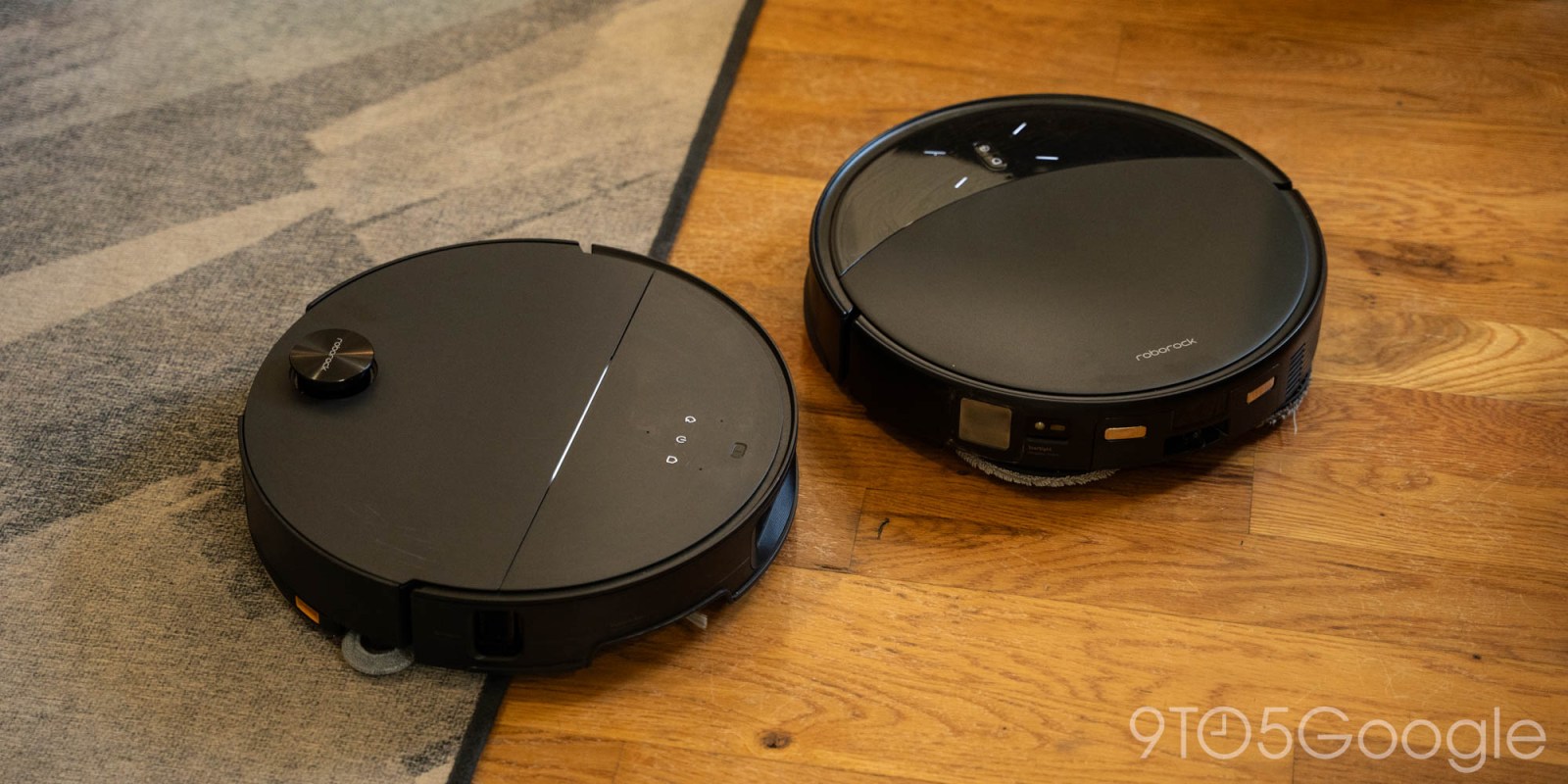
Roborock is one of the biggest and best names in robot vacuums, and the company is trying something new this year with the Saros 10 and Saros 10R being extremely similar in many ways – including their price – but with each having a key strength. Which one is better? I've spent the last two months trying to find out.
The Saros lineup is a new offshoot of Roborock's flagship robot vacuum and mop products, and one that delivers in one area that really counts – size. Over the years robot vacuums have advanced in a ton of ways, but the key differentiator on the Saros 10 series, I've found, is that both models are shorter to the ground compared to others. By ditching the top-mounted sensors in two clever ways, these machines can fit underneath more things, providing a deeper clean to your home. Roborock Saros 10 accomplishes its shorter profile of 7.98cm (3.14 inches) by taking the important top-mounted sensors and putting them into a retractable housing. This allows the machine to see that it's coming up to a shorter object and pull down the sensors so it can fit. Neat! Meanwhile, Saros 10R does away with a top-mounted array entirely, instead using a new "StarSight" system for navigation that doesn't need that higher array.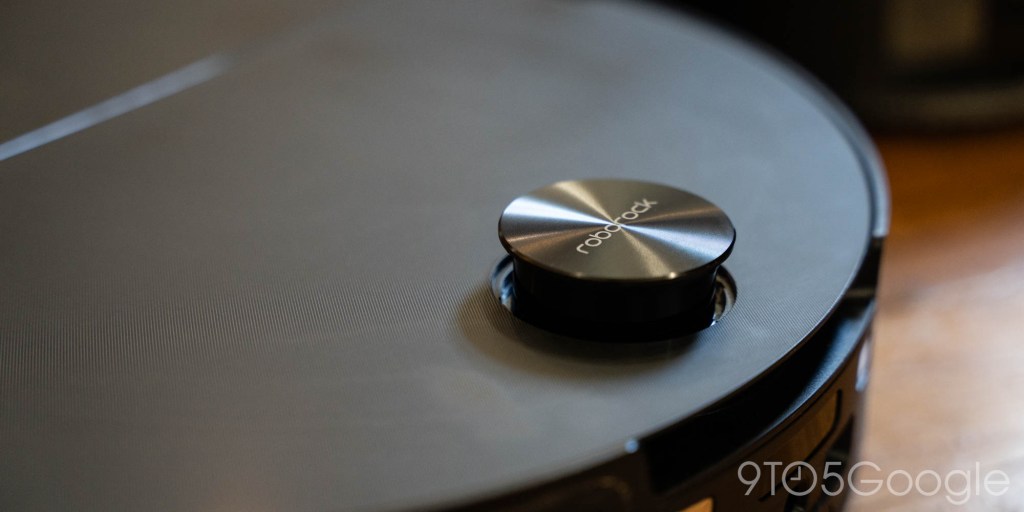 Saros 10
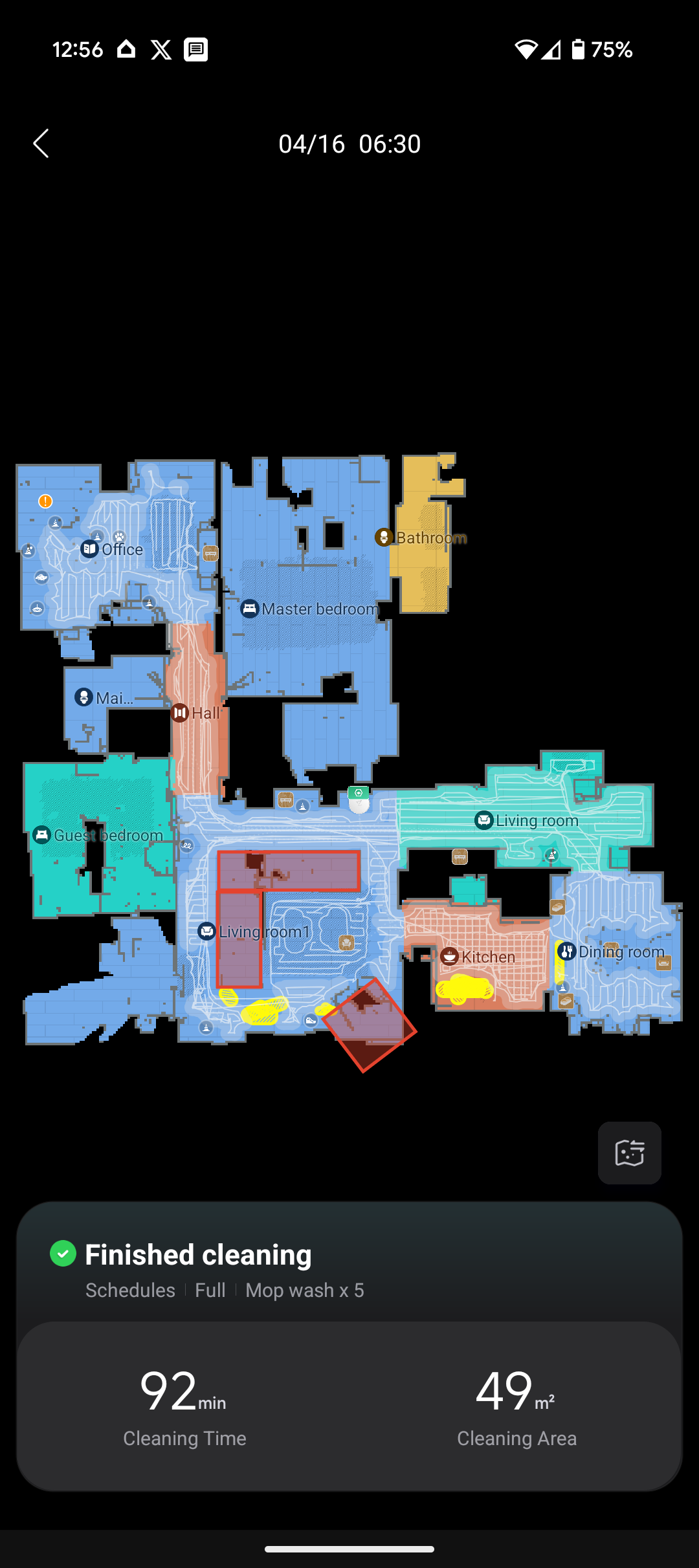
 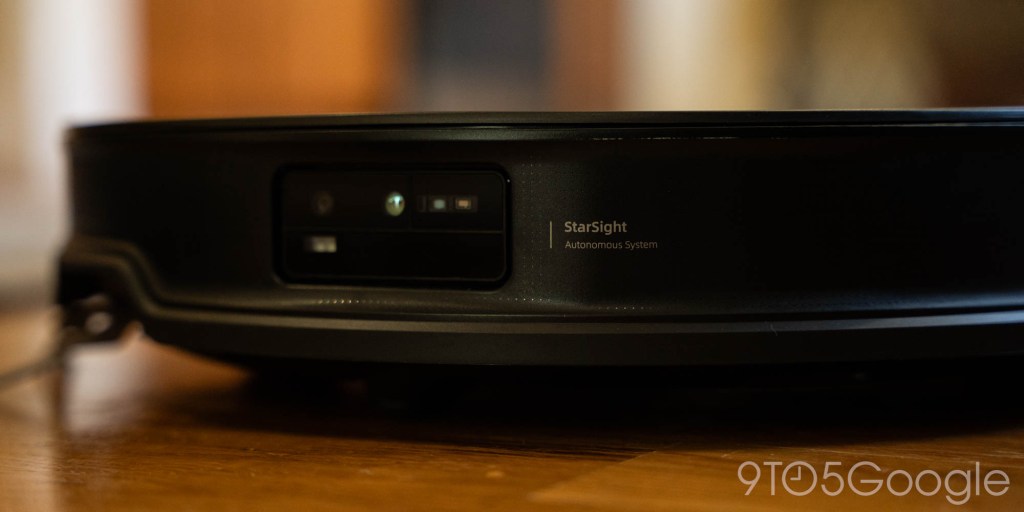 Saros 10R In action, these systems both work fairly well. The Saros 10R's StarSight system is more advanced for navigation pretty much across the board, leading to a machine that's just better at avoiding obstacles. The 10R regularly avoided cables, bits of plastic, and other small obstacles that constantly cause trouble for other robot vacuums I've tested, including the Saros 10. However, neither machine was perfect when it came to working with its additional clearance under furniture. Saros 10 and 10R regularly get caught underneath my couches (roughly 3.3-inches of clearance) because, while they rightly found they could fit under the initial gap, they couldn't avoid portions of the couch once underneath. The 10 because it couldn't raise its sensor array, and the 10R because those obstacles weren't in view. While I appreciate that added clearance for getting under cabinets and tables in my home that other vacuums couldn't, I ended up needing to establish no-go zones for my couch and a couple of other pieces of furniture that these vacuums would repeatedly get caught underneath. This aspect continues to improve generation by generation, and Roborock also deserves credit for having a feature in its app where the robots will log where they often get stuck and suggest making no-go zones for those locations! That said, I think Roborock could tune these a bit better (or offer an option to tune it on the user's end) because, right now, they're a bit too optimistic about where they'll fit. Advertisement - scroll for more content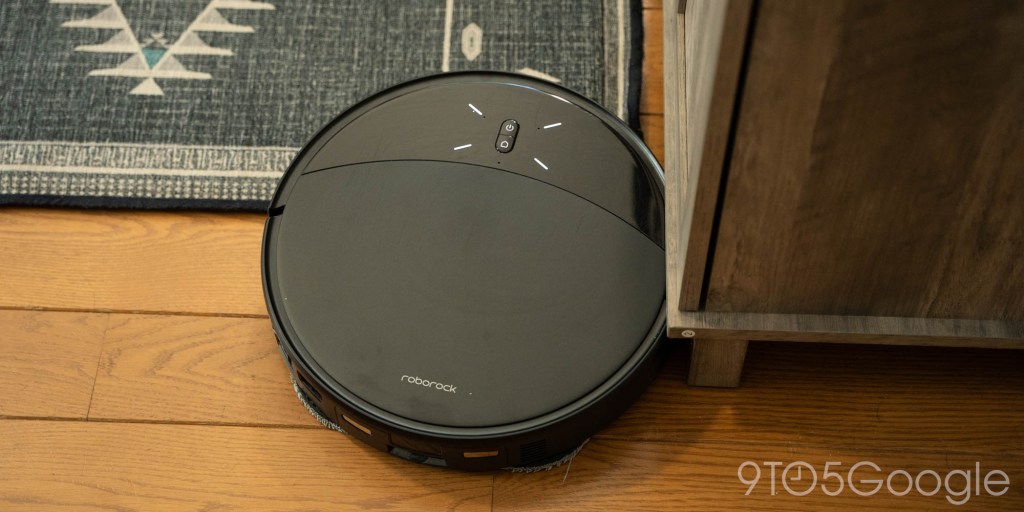
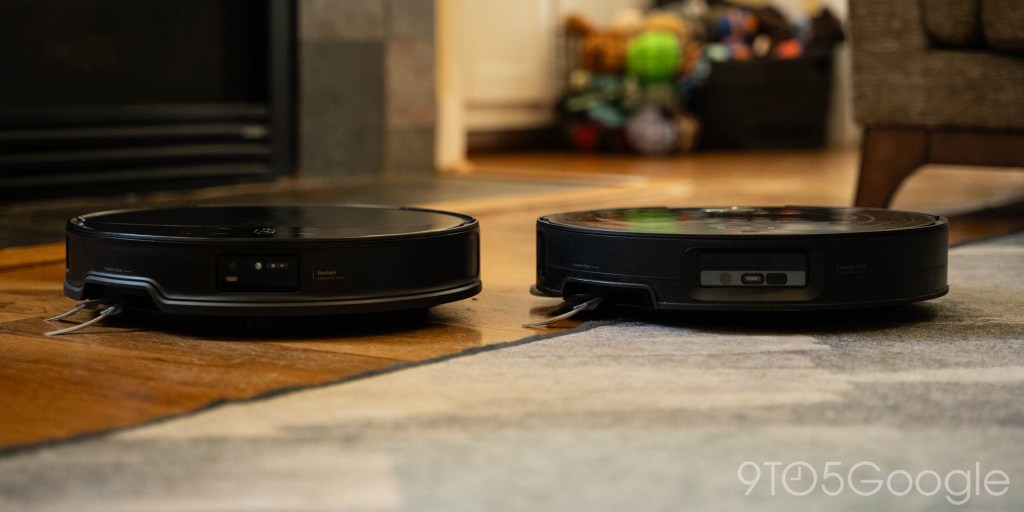
 The other boost to traversing that you'll find on these robots is the ability to raise the entire chassis up to 1.57-inches. This is a huge benefit when it comes to getting over room borders or certain obstacles. The trim around my living room fireplace has been a sore spot for many robot vacuums I've used, but the Saros 10 series makes the leap with ease. The same goes for the wider feet of my standing desk, which both of these robots can climb over instead of getting caught on. But how's the actual cleaning process? This is perhaps the biggest area where these two models differ. The Roborock Saros 10R features a strong vacuum paired with dual spinning mop heads on "FlexArm" mounts. This allows the mop head to be extended out to fit into a tight corner or better clean along a wall. It's ridiculously cool to see in person, and really does result in a better overall clean.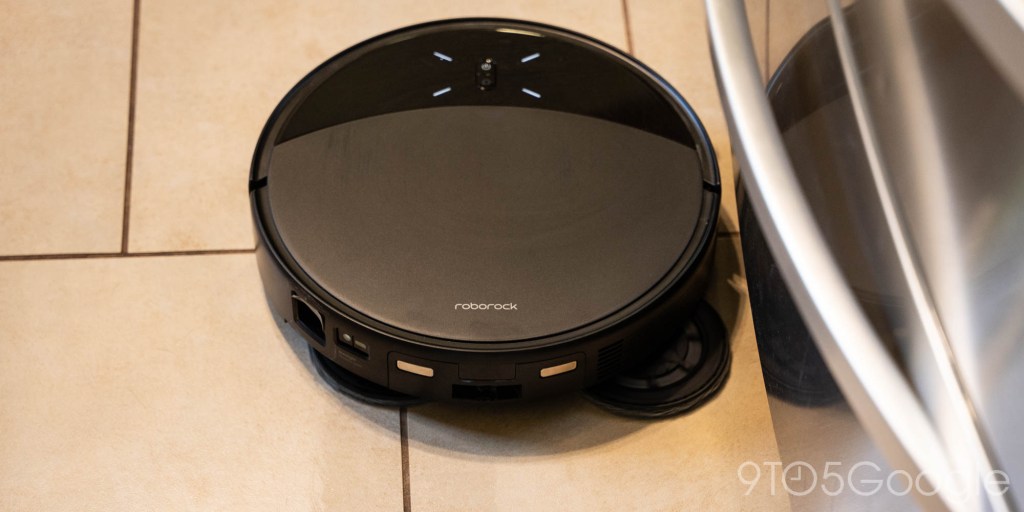
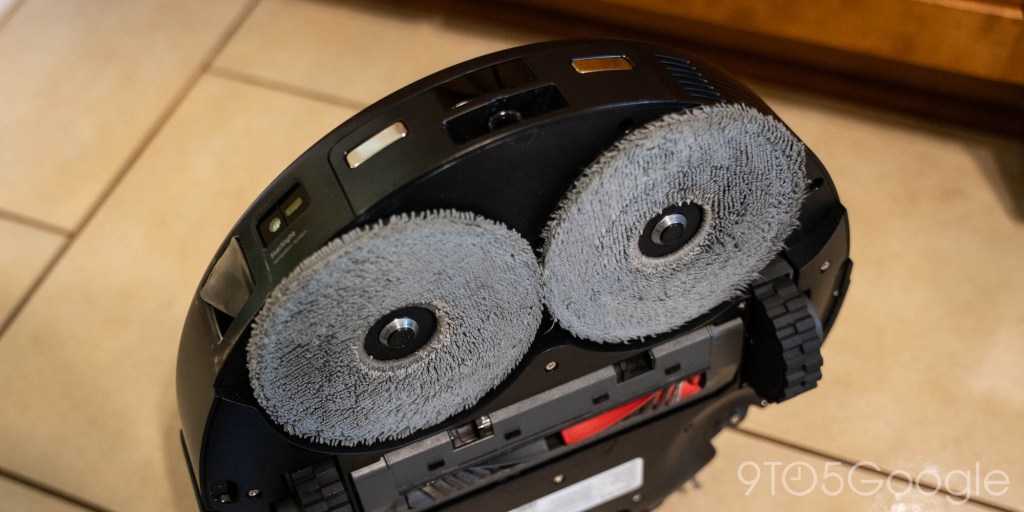 Saros 10R Meanwhile, Saros 10 leans on Roborock's "Sonic" mop which has a vibrating scrub pad to clean the floors. It then has an extra mop on the side to catch corners and the wall. I've found that Saros 10R seems to deliver better coverage, while the scrubbing of the 10 leaves my floors just a bit cleaner, especially in the case of dried mud or spills. The Saros 10 also features a FlexArm for the vacuum side brush, meaning it's better at getting into those corners for dust and debris.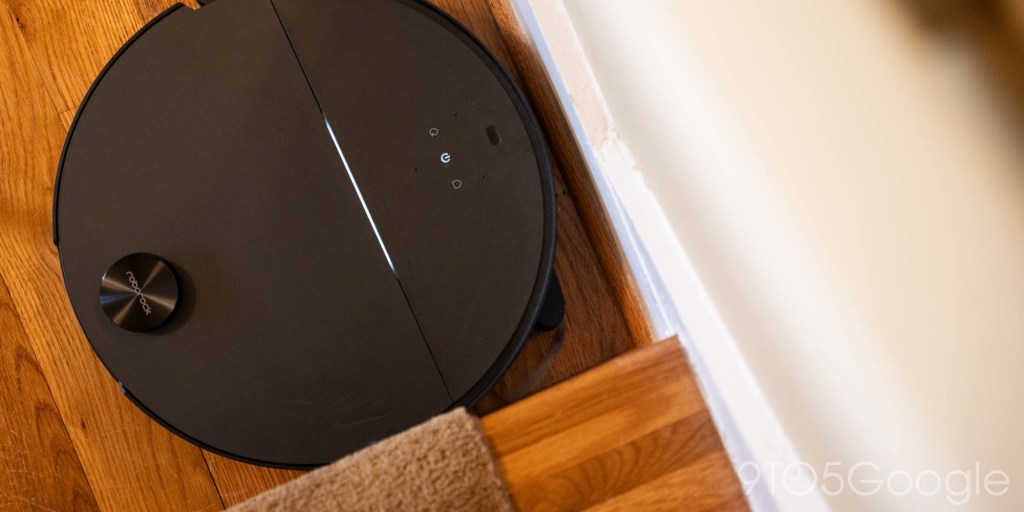
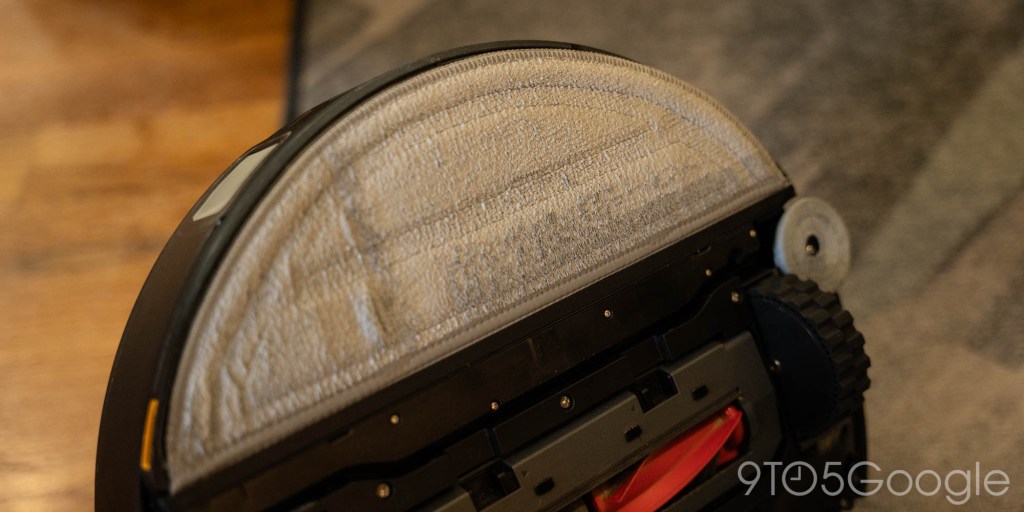 Saros 10 Both machines have a split brush that's better at not getting tangled in hair – perhaps my favorite update to robot vacuums in recent years – and can both lift the mop when going over carpet, or detach it entirely and leave it in the dock. That second bit is rather impressive, though it doesn't kick in much in my home that's entirely hard flooring with area rugs throughout. For a bit more insight on how the 10R works in a carpeted home, check out 9to5Toys. The other thing you'll find on both of these robots is an auto-empty dustbin and auto-cleaning mops with clean and dirty water tanks. Capacity isn't particularly impressive, but Roborock's designs are more convenient than ever to work with. The dirty water tank is exposed on the 10R, making it easy to grab and empty and then put back. On the 10's dock, there's a red light to indicate you need to empty or refill the water. These are nice, welcome touches. The docks as a whole work very well and are easy to keep clean, and have drying sequences that are remarkably quiet. The only headache I ran into is that, on both docks, I'd regular find the robots offline because they hadn't fully docked into place and went into a sleep mode. This only requires re-seating the robot in the dock, but it's a strange problem that I haven't run into in quite a while.
 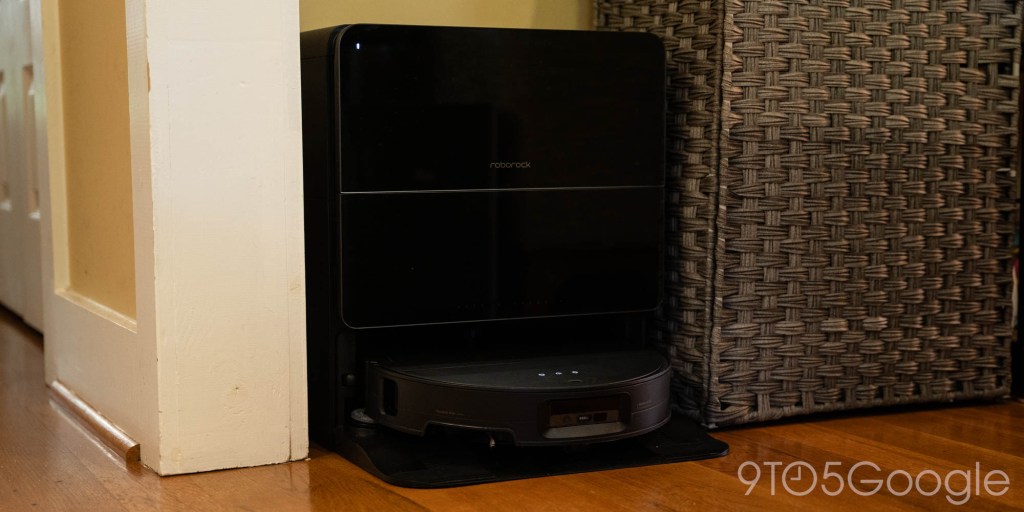 Saros 10
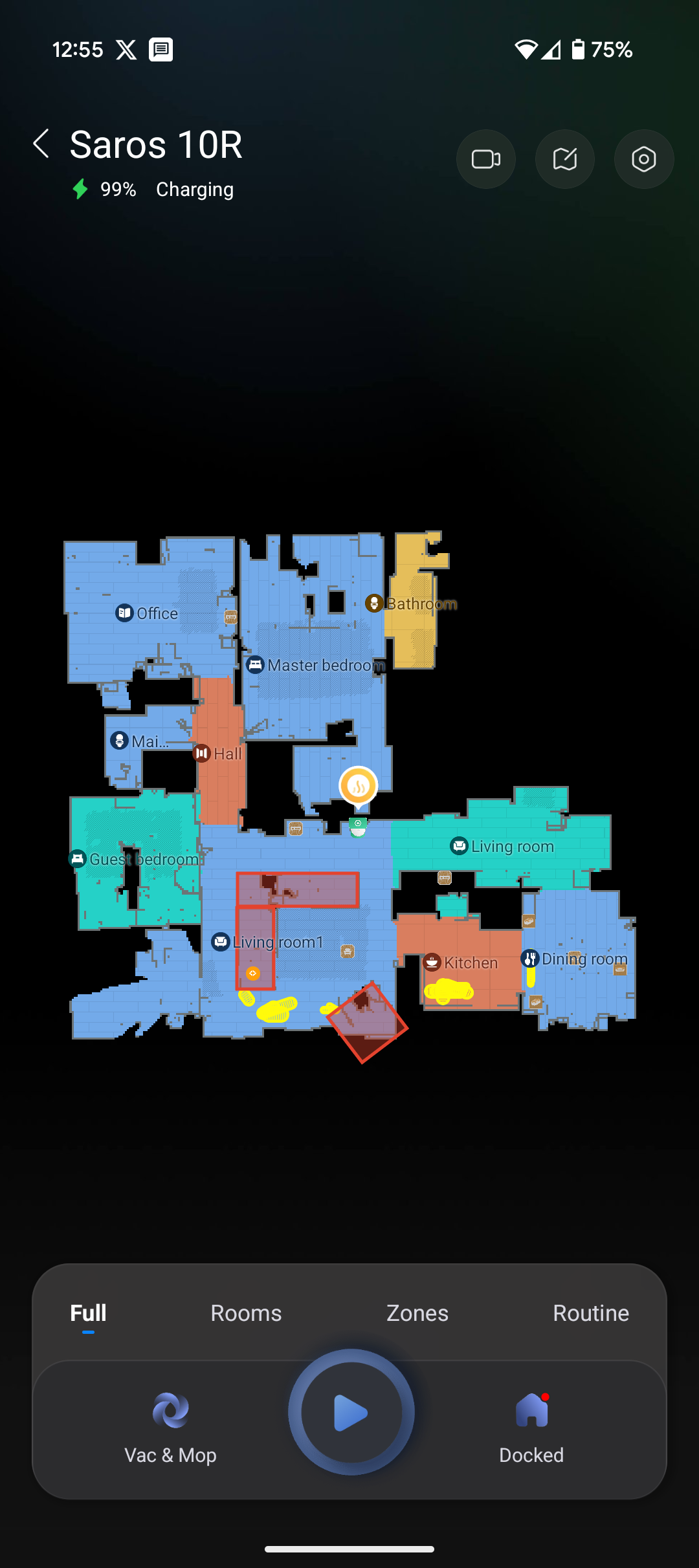
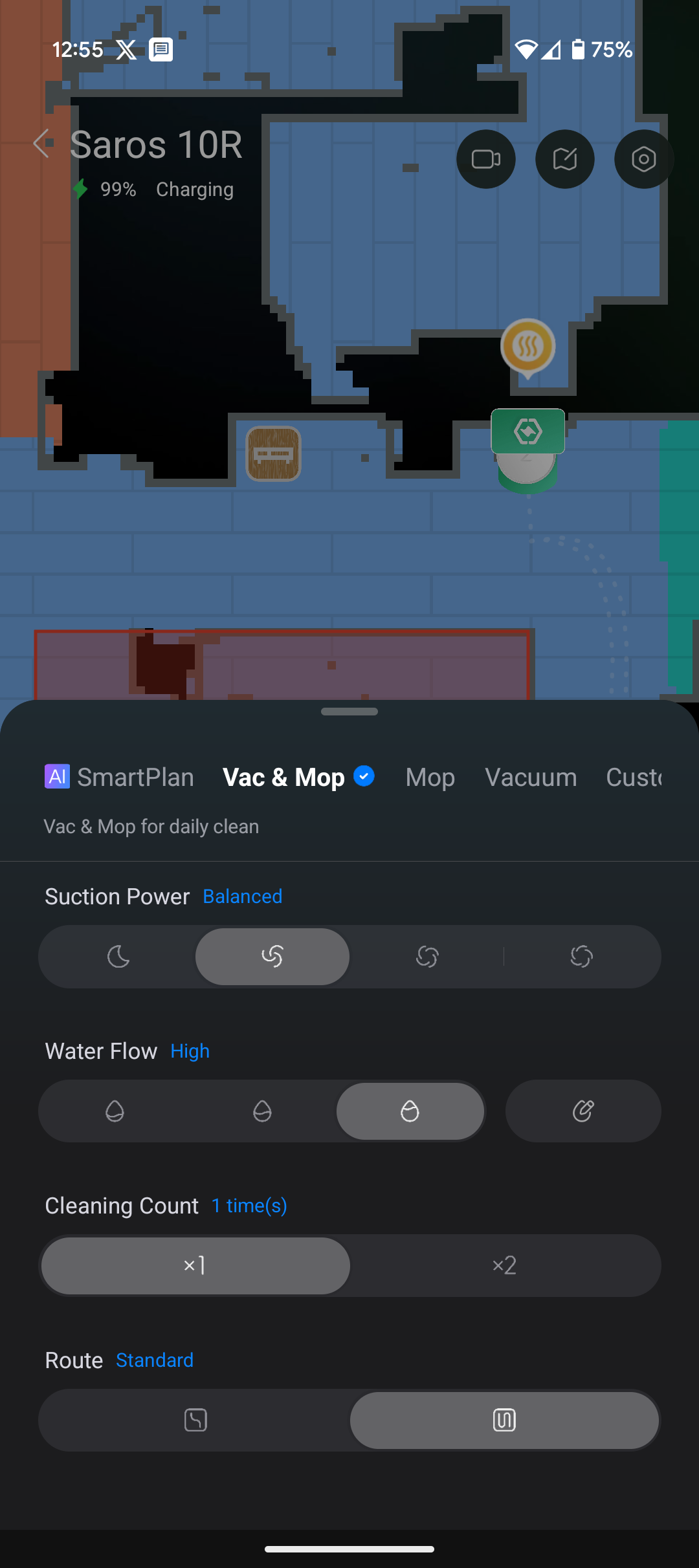
 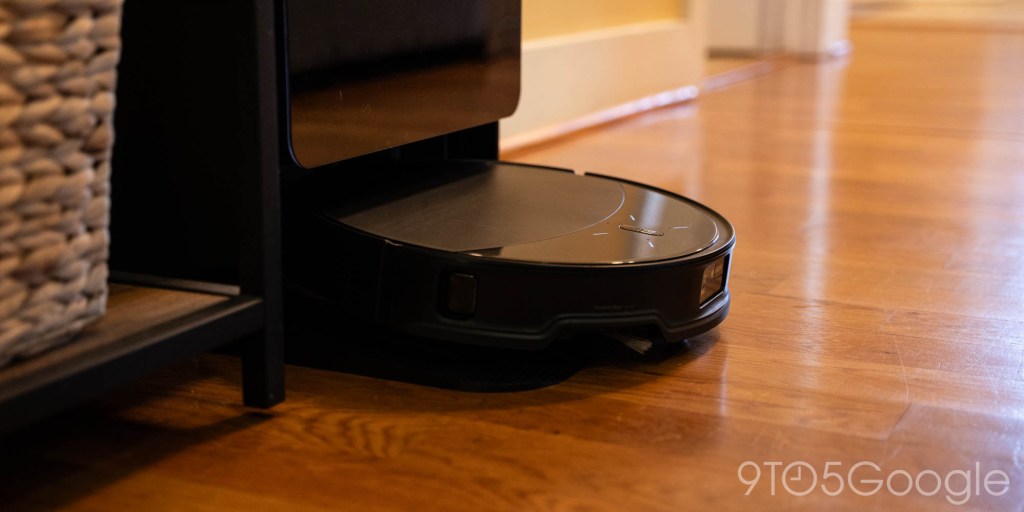 Saros 10R The Roborock app as a whole remains as good as ever. It offers smart suggestions to improve cleaning and puts all the needed information in a useful and thoughtful place. The ability to use the robots as a moving camera remotely – which includes an audible announcement from the vacuum to inform you that the camera is on – is also handy. Comparing the Saros 10 and Saros 10R is really a game of splitting hairs. Both models offer excellent navigation and cleaning, with strengths in their own areas. I think Saros 10 is the better overall cleaning tool, with more effective vacuum coverage and a scrubbing mop. Saros 10R, meanwhile, is more of a "set it and forget it" machine due to its improved navigation and obstacle avoidance. What's nice is that you get to choose which of those works best for you, as these both have the same price point at $1,599. Which one would you use? Roborock Saros 10 vs Saros 10R Feature Comparison Cleaning Roborock Saros 10 Roborock Saros 10R FlexiArm Riser Side Brush ✓ Extra Edge Mopping System ✓ FlexiArm Design Mop ✓ High-speed Sonic Mopping ✓ Dual Spinning Mops ✓ Automatic Mop Lifting ✓ ✓ Automatic Mop Detaching ✓ ✓ Main Brush Type DuoDivide Brush DuoDivide Brush Automatic Brush Lifting ✓ ✓ Navigation & Controls Roborock Saros 10 Roborock Saros 10R Obstacle Avoidance ✓ ✓ LDS Laser Navigation ✓ 3D ToF Navigation ✓ Adaptive Route Algorithm ✓ ✓ Ultrasonic Carpet Sensing ✓ ✓ App Control ✓ ✓ Third-party Voice Control(Google Home, Alexa) ✓ ✓ Built-in Voice Assistant ✓ ✓ Dock Roborock Saros 10 Roborock Saros 10R Automatic Mop Washing ✓ ✓ Automatic Mop Drying ✓ ✓ Intelligent Dirt Detection ✓ ✓ Auto Detergent Dispenser ✓ ✓ Auto Tank Refilling ✓ ✓ Auto Dust Emptying ✓ ✓ Basic Specs Roborock Saros 10 Roborock Saros 10R Volume (Balanced Mode) 64dB 65dB Suitable Coverage Area 240sqm/2500sqft 200sqm/2100sqft Dustbin Volume/Capacity 270ml 270ml Water Tank Capacity 70ml 69ml Battery 6,400 mAh 6,400 mAh Runtime (Quiet Mode) 220 minutes 180 minutes Robot Dimensions 350x353x79.8mm 350x353x79.8mm Dock Dimensions 440x409x470mm 381x475x488mm More on Smart Home: Follow Ben: Twitter/X, Threads, Bluesky, and Instagram FTC: We use income earning auto affiliate links. More.


Comments
Post a Comment